

Packing Tips for a Safer and More Organized Move
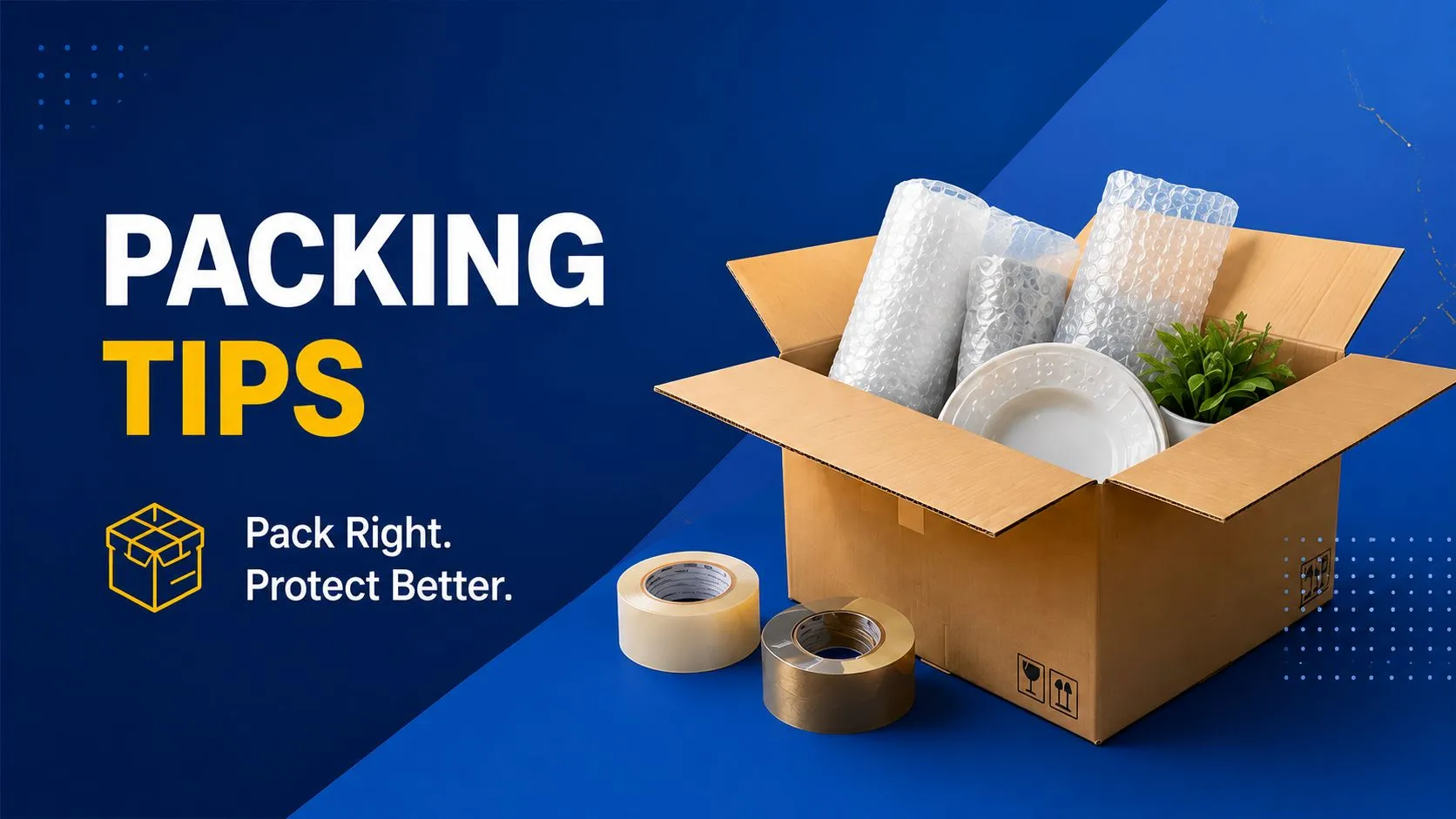
Packing is often the most time-consuming part of any relocation. While transportation receives most of the attention, improper packing is one of the most common reasons behind damaged belongings, misplaced items, and difficult unpacking experiences. A well-planned packing strategy helps protect household goods, improves loading efficiency, and makes settling into the new home much easier.
Start Packing Earlier Than You Think
One of the biggest mistakes during relocation is leaving everything for the last few days. Items that are not used daily can be packed several weeks before the moving date, including:
- Books
- Decorative items
- Seasonal clothing
- Extra kitchenware
- Guest room belongings
Packing gradually reduces last-minute pressure and helps keep the process organized.
Pack Room by Room
Packing an entire house without a system often creates confusion during unloading and unpacking. A practical approach is to pack one room at a time and keep similar items together. For example:
- Kitchen items in dedicated cartons
- Bedroom belongings packed separately
- Study room items grouped together
- Bathroom essentials packed independently
This makes unpacking faster and more manageable after relocation.
Use Strong and Appropriate Packing Materials
Different belongings require different levels of protection. Common packing materials include:
- Corrugated cartons
- Bubble wrap
- Stretch wrapping
- Packing paper
- Foam sheets
- Corner protectors
Using the right packing material helps reduce movement inside cartons and provides better protection during loading and transportation.
Label Every Carton Clearly
Proper labeling saves significant time during delivery. Each carton should ideally mention:
- Room name
- General contents
- Fragile marking (if applicable)
- Priority level
Simple labels can prevent unnecessary carton opening and help place items directly into the correct rooms.
Give Extra Protection to Fragile Items
Glassware, mirrors, decorative pieces, electronics, and delicate household items require additional attention. Helpful precautions include:
- Individual wrapping
- Cushioning empty spaces inside cartons
- Using double-wall cartons where necessary
- Marking cartons as fragile
Proper protection helps minimize the risk of impact-related damage during transit.
Avoid Overloading Cartons
Overfilled cartons are more difficult to lift and more likely to fail during handling. Heavy items such as books should be packed in smaller cartons, while lighter household items can be packed in larger boxes. Balanced cartons are safer for both handling and transportation.
Keep Essential Items Separate
A separate essentials bag can make the first day after relocation much easier. Consider including:
- Mobile chargers
- Basic medicines
- Toiletries
- Change of clothes
- Important documents
- Daily-use items
Keeping essentials accessible avoids searching through multiple cartons immediately after arrival.
Prepare Appliances Before Packing
Large appliances often require preparation before transportation. Examples include:
- Defrosting refrigerators
- Emptying washing machines
- Disconnecting water connections
- Removing loose accessories
Proper preparation helps prevent leaks, moisture issues, and transit-related complications.
Protect Important Documents and Valuables
Passports, financial documents, jewelry, certificates, and other valuables should be packed separately and kept under personal supervision throughout the relocation process. These items should not be mixed with general household cartons.
Create a Basic Inventory List
Before loading begins, preparing a simple inventory helps keep track of belongings. An inventory list can include:
- Number of cartons
- Major furniture items
- Appliances
- Fragile items
This provides a useful reference during unloading and unpacking.
Common Packing Mistakes to Avoid
Many packing-related issues are caused by a few avoidable mistakes:
- Waiting until the last moment to start packing
- Using weak or damaged cartons
- Mixing items from multiple rooms
- Forgetting to label cartons
- Overloading boxes
- Packing valuables with household goods
- Leaving empty spaces inside fragile cartons
Avoiding these mistakes can significantly improve the overall moving experience.
Final Thought
Good packing is not just about fitting belongings into cartons. It is about protecting items, improving organization, and reducing the stress associated with relocation. Taking time to pack systematically often results in a safer move and a much smoother unpacking experience at the destination.